


What Is the 'Sad Hot Girl' Aesthetic, Really?
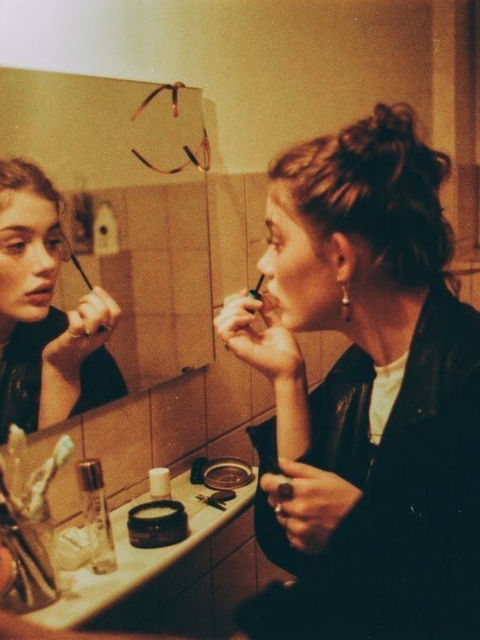
Smudged eyeliner courtesy of a meltdown cocktail of heartbreak and unresolved trauma. Black coffee in one hand, cigarette in the other. Soft rock echoing through noise-canceling headphones. And let’s not forget—the lip gloss? Absolutely flawless. These are the essential ingredients for the quintessential sad hot girl.
If you’ve dipped even a toe into the literary world in recent years, chances are you’ve come across the term sad girl or sad hot girl books. But what does it actually mean?

The sad girl aesthetic typically refers to a narrative genre—one that started in literature but has since bled into everything from film to music to TikTok moodboards. At the heart of it all is a young woman navigating her twenties or thirties, drifting through existential crises, messy relationships, career dread, and the general chaos of modern life. She’s usually lost, world-weary, and drowning in self-reflection—but always with just the right dose of poetic flair. She’s glam in her gloom, chaotic but captivating. She might be hard to like, and yet you can’t look away. That’s the paradox. That’s the sad hot girl.
Let’s pay our respects: the OG sad girl is undoubtedly Esther Greenwood from The Bell Jar by Sylvia Plath. The grandmother of the genre, if you will. Fast-forward a few decades and you’ll find her literary granddaughters brought to life by the likes of Sally Rooney, Ottessa Moshfegh, and Eliza Clark. Still, the label has sparked its fair share of controversy. On one hand, it highlights a rising genre that gives space and voice to complex female characters. On the other? Critics question why books written by women are conveniently bundled into a single niche aesthetic—while male-authored versions of sad boys and girls rarely get slapped with any kind of genre branding. Another case of gendered double standards? Possibly. Probably. Some interpret the sad girl wave as a quiet rebellion—a refusal to perform happiness in a world that demands it from women. Others argue it's just a prettified version of pain, crafted to cater to a male gaze. Kind of a “you’re so pretty when you cry” energy. I’ll let you sit with that.

Look, we could spend pages unpacking this—touching on the romanticization of sadness, pain as aesthetic, the gender politics of emotional expression, and the broader cultural obsession with the tortured-yet-beautiful woman. But this is just my humble little blog, and for now, I’m happy to bask in the messy charm of it all. Controversial or not, you can’t deny this aesthetic has flair—and it’s producing some damn good content.
So here it is: your go-to list of soul-crushing, painfully relatable, beautifully written sad girl media. Grab a drink or a box of tissues. Your call.
📚 Books
The Bell Jar, Sylvia Plath
My Year of Rest and Relaxation, Ottessa Moshfegh
The Idiot, Elif Batuman
Literally anything by Sally Rooney
Acts of Desperation, Megan Nolan
My Dark Vanessa, Kate Elizabeth Russell
Boy Parts, Eliza Clark
The Girls, Emma Cline
Luster, Raven Leilani
The Virgin Suicides, Jeffrey Eugenides
📺 TV Series
Normal People
Fleabag
Euphoria
Dying for sex
🎬 Films
The Worst Person in the World
Frances Ha
Lady Bird
Shiva Baby
Promising Young Woman
Lost in Translation
🎧 Music
“Casual” – Chappell Roan
“jealousy, jealousy” – Olivia Rodrigo
“Brooklyn Baby” – Lana Del Rey (obviously)
“CUDN’T B ME” – Jessie Reyez
“because i liked a boy” – Sabrina Carpenter
“What Was That” – Lorde
“TV” – Billie Eilish
“Tough Love” – Gracie Abrams
“Down Bad” – Taylor Swift
“she’s all i wanna be” – Tate McRae
"My Love Mine All Mine" - Mitski
Zaho de Sagazan
Cigarettes After Sex
The sad hot girl isn’t here to make you comfortable—she’s here to feel everything, unapologetically. And honestly? That’s kind of the point.